Elevating Seasonal Engagement: The Strategic Value of Modern Leaf and Floral Spring Greeting Card Templates
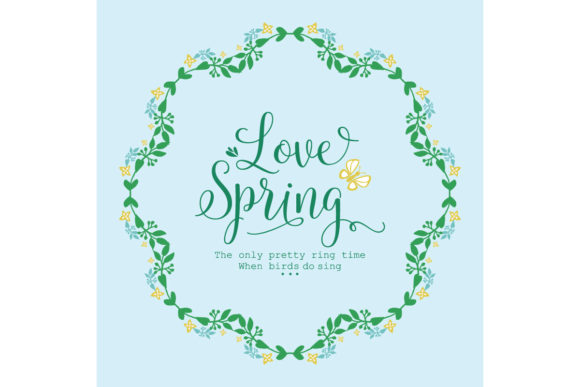
In the contemporary landscape of digital marketing and personal branding, the transition from winter to spring represents more than a meteorological shift; it signals a renewal of consumer attention and emotional openness. For professionals, creators, and entrepreneurs, capitalizing on this seasonal pivot requires visual assets that balance aesthetic beauty with strategic communication. The Spring Greeting Card has evolved from a simple paper tradition into a versatile digital touchpoint that reinforces brand identity and nurtures relationships. Specifically, vector illustrations featuring modern shape patterns of leaves and floral frames have emerged as a dominant design language. This style offers a sophisticated alternative to clichéd seasonal imagery, providing a flexible foundation for businesses and freelancers looking to maintain relevance in an increasingly saturated visual market.
Redefining the Spring Greeting Card in Digital Ecosystems
Historically, greeting cards were static artifacts limited by print costs and physical distribution. Today, the Spring Greeting Card functions as a dynamic asset within broader content strategies. It serves as an email header, a social media story background, a website hero image, or a printable client gift. This multifunctionality demands a specific type of design: one that is scalable, editable, and contextually adaptable. Vector illustrations fulfill these technical requirements perfectly. Unlike raster images that degrade when resized, vector-based leaf and floral patterns retain crisp edges across all devices, from mobile screens to large-format prints.
The shift toward modern shape patterns reflects a maturation in consumer taste. Audiences are moving away from hyper-realistic botanical photography or juvenile cartoon florals. Instead, there is a growing preference for stylized, geometric, and abstract interpretations of nature. These designs convey the essence of spring—growth, freshness, and organic flow—without relying on tired tropes. For marketers and business owners, this abstraction allows the imagery to remain neutral enough to suit various industries while still evoking the necessary seasonal emotion. A law firm can use a structured, minimalist leaf frame to convey stability and renewal, while a wellness coach might utilize the same asset class with softer colors to promote healing and mindfulness.
Aligning with Broader Design and Consumer Trends
The popularity of modern floral frames and leaf patterns is not an isolated aesthetic choice; it intersects with several macro-trends influencing the creative and business sectors. Understanding these connections helps professionals leverage these templates more effectively.
- Biophilic Design in Digital Spaces: As screen time increases, users crave organic elements in digital interfaces. Biophilia—the innate human tendency to seek connections with nature—has migrated from architecture to graphic design. Incorporating leaf patterns into spring communications satisfies this psychological need, reducing cognitive load and creating a sense of calm amidst digital noise.
- Sustainable and Minimalist Aesthetics: Modern consumers associate visual clutter with excess. Clean lines and negative space in floral frame designs signal sustainability and intentionality. This aligns with corporate social responsibility (CSR) goals and appeals to eco-conscious demographics who value brands that demonstrate restraint and thoughtfulness.
- The Creator Economy and Asset Efficiency: Freelancers and small agencies operate under tight margins. Creating bespoke seasonal illustrations for every campaign is resource-prohibitive. High-quality vector templates democratize access to premium design, allowing solo entrepreneurs to compete visually with larger corporations without compromising their unique voice.
- Emotional Resonance Post-Crisis: Following years of global uncertainty, the cultural mood favors genuine connection over aggressive sales tactics. Soft, organic shapes communicate empathy and care more effectively than sharp, industrial graphics. The Spring Greeting Card becomes a vehicle for soft power, maintaining top-of-mind awareness through kindness rather than interruption.
Why Professionals Are Prioritizing Vector Illustrations
The decision to utilize vector-based spring templates is driven by practical workflow considerations as much as aesthetic preferences. In a fast-paced business environment, agility is paramount. Vector files (such as AI, EPS, or SVG) offer non-destructive editing capabilities that are essential for modern production pipelines.
Consider the scenario of a marketing manager overseeing multiple product lines. Using a single master vector file containing a modular leaf and floral frame, they can rapidly generate variations for different audiences. Changing the color palette to match specific sub-brand guidelines takes seconds. Adjusting the density of the pattern to accommodate different text lengths requires only anchor point manipulation, not redrawing. This efficiency transforms the Spring Greeting Card from a one-off task into a scalable system.
Furthermore, the "modern shape" aspect of these patterns addresses accessibility and readability concerns. Traditional, dense floral borders often compete with typography, making messages difficult to read. Contemporary vector designs prioritize negative space, treating the foliage as a framing device rather than a barrier. This ensures that the core message—whether it is a promotional offer, a thank you note, or a seasonal update—remains the focal point. By balancing decoration with utility, these templates respect the user’s time and attention span.
Practical Applications Across Industries
The versatility of modern leaf and floral vector art extends far beyond personal correspondence. Observing how different sectors adapt these assets reveals their strategic breadth:
- E-Commerce and Retail: Brands use these patterns to wrap product packaging digitally and physically. A subtle leaf pattern on a shipping box or a digital receipt adds a premium unboxing experience that encourages social sharing. The association with spring triggers impulse purchasing behaviors linked to refreshment and new beginnings.
- Corporate Communications: Internal newsletters and stakeholder reports often suffer from sterile formatting. Integrating a refined floral frame introduces warmth to quarterly updates or HR announcements, fostering a more human-centric organizational culture without sacrificing professionalism.
- Event Planning and Hospitality: Wedding planners and venues utilize these vectors for save-the-dates, menus, and signage. The ability to customize the scale and color of vector elements ensures consistency across print and digital touchpoints, creating a cohesive brand experience for attendees.
- Education and Non-Profits: Schools and charities leverage approachable, organic imagery to soften institutional messaging. Spring themes naturally align with fundraising cycles and enrollment periods, making these templates valuable tools for community engagement.
Navigating Customization and Authenticity
While templates provide a foundation, successful implementation requires customization to avoid generic output. The risk of using popular assets is homogenization; if everyone uses the same leaf pattern, no one stands out. Professionals must treat vector templates as raw materials rather than finished products.
Authenticity arises from intentional modification. This might involve combining multiple vector elements to create a unique composition, applying custom textures to flat shapes, or integrating brand-specific iconography within the floral structure. For example, a tech company might replace traditional petals with circuit-board-inspired nodes within the leaf pattern, bridging the gap between nature and innovation. A bakery might adjust the curves of the frame to mimic the texture of dough or frosting. These micro-adjustments transform a stock asset into proprietary intellectual property.
Moreover, the integration of these visuals must align with copy strategy. The tone of the text should mirror the visual weight of the illustration. A bold, high-contrast floral frame pairs well with confident, declarative statements. A delicate, watercolor-style vector wash supports reflective, grateful, or inviting language. Dissonance between visual style and verbal tone creates cognitive friction that undermines the effectiveness of the Spring Greeting Card. Creators should audit their assets to ensure semantic consistency across all sensory channels.
Future-Proofing Seasonal Design Strategies
Looking forward, the role of seasonal imagery will continue to integrate with emerging technologies. We are already seeing vector patterns being adapted for motion graphics and interactive web experiences. Static leaves are becoming animated elements that respond to cursor movement or scroll depth, adding a layer of engagement that static images cannot achieve. Augmented reality (AR) filters utilizing floral frames allow users to insert themselves into the brand narrative, turning passive recipients into active participants.
Additionally, the rise of generative AI tools is changing how professionals interact with vector templates. Rather than replacing designers, these tools are accelerating the ideation phase. Marketers can now generate dozens of pattern variations instantly, using them as references to refine their vector edits. However, the curated precision of hand-crafted vector art remains superior for final production due to its clean topology and editability. The future belongs to hybrid workflows where human expertise guides technological capability.
Ultimately, the enduring relevance of the Spring Greeting Card lies in its function as a ritual. In an era of algorithmic feeds and ephemeral content, taking the moment to acknowledge a shared seasonal experience creates a tangible anchor. Modern leaf and floral vector patterns provide the visual vocabulary for this ritual, offering a blend of tradition and innovation that resonates with contemporary audiences. For professionals willing to invest in understanding both the aesthetic nuances and strategic applications of these assets, spring becomes more than a calendar event—it becomes a catalyst for meaningful connection and sustained growth.
By embracing the flexibility of vector illustration and the psychological resonance of organic design, creators and businesses can ensure their seasonal communications are not merely seen, but felt. The modern Spring Greeting Card is a testament to the idea that even in a high-tech world, the most effective interface is often one that reminds us of our natural rhythms and shared humanity.