Integrating Cacao Illustration Vintage Assets into Modern Design Workflows
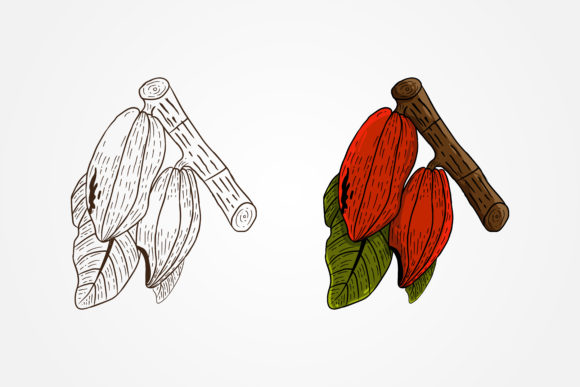
In the landscape of contemporary visual communication, the demand for organic, tactile aesthetics has created a resurgence of hand-drawn elements within digital environments. For designers, marketers, and content creators, sourcing high-quality assets that bridge the gap between traditional artistry and modern scalability is a critical step in project planning. The Cacao Illustration Vintage vector set serves as a specialized resource in this niche, offering sketched, hand-drawn cacao beans, tree leaves, and branches rendered in a chalk style. Understanding how to leverage these specific graphical elements requires looking beyond their decorative appeal and examining their functional role in branding, packaging, editorial design, and digital media production.
These assets are not merely standalone images; they are modular components intended for integration into larger creative systems. Whether utilized in monochrome for minimalist elegance or in colorful variations for vibrant tropical themes, vintage cacao vectors provide a semantic shortcut to concepts of natural sweetness, artisanal quality, and botanical authenticity. For professionals managing tight deadlines, having access to pre-rendered engraving and etching styles eliminates the need to commission custom illustrations from scratch while maintaining the bespoke appearance that consumers associate with premium lifestyle brands.
Strategic Application Across Project Phases
The utility of stylized cacao graphics extends throughout the entire lifecycle of a creative project. Recognizing where these assets fit best allows for more efficient resource allocation and consistent visual storytelling. In the conceptualization phase, sketch-style vectors act as rapid prototyping tools. When presenting mood boards to clients or stakeholders, using rough doodle or line art representations of cocoa pods and seeds helps establish an earthy, organic tone without committing to final color palettes or complex compositions. This low-fidelity approach encourages feedback on the overall "feel" of the project before significant hours are invested in rendering.
During the execution phase, the versatility of vector formats becomes paramount. Unlike rasterized images, these illustrations can be scaled infinitely for diverse applications ranging from small social media icons to large-format wallpaper or fabric prints. A chocolatier’s rebranding project, for example, might require the same emblem to appear on a business card, a product label, and a storefront sign. The mathematical precision of vector paths ensures that the intricate details of engraved leaf veins or bean textures remain crisp at every size. Furthermore, because these assets often come as sets containing both isolated objects and seamless patterns, designers can maintain visual continuity across different touchpoints without searching for disparate elements that may clash stylistically.
Post-production and archival workflows also benefit from organized vintage illustration libraries. Maintaining a curated collection of nature-themed symbols, including floral accents and fruit silhouettes, reduces future search time. When a food blogger needs a quick header graphic or a publisher requires a chapter divider for a cookbook, having immediate access to compatible retro art assets streamlines the turnaround time. This preparedness transforms individual graphic files into a reusable design system that supports long-term brand consistency.
Technical Compatibility and File Management
Successful implementation depends heavily on technical compatibility. Professionals must verify that downloaded vector sets align with their primary software ecosystem, whether Adobe Illustrator, Affinity Designer, CorelDRAW, or open-source alternatives like Inkscape. While most vintage cacao illustrations are distributed in standard EPS or AI formats, checking for editable layers and grouped elements is essential. A well-organized file structure allows users to isolate specific components—such as separating a pod from its background foliage or extracting a single nut icon—without disrupting the integrity of the original drawing.
Color management presents another practical consideration. Monochrome versions offer maximum flexibility, allowing designers to apply global swatches that match existing brand guidelines instantly. Conversely, pre-colored versions should be evaluated for color space accuracy (CMYK for print vs. RGB for screen) to prevent unexpected shifts during output. For projects involving textile printing or packaging, confirming that the chalk or ink effects translate correctly to physical substrates is vital. Some stylized textures that look excellent on screen may require adjustment or halftone conversion to reproduce cleanly on fabric or uncoated paper stock.
Enhancing Brand Identity and Visual Semantics
Beyond technical specifications, the choice of vintage cacao imagery carries significant semiotic weight. In marketing and branding, visuals communicate values faster than copy. Hand-drawn, engraved styles inherently suggest tradition, craftsmanship, and human touch. This contrasts sharply with the sterile perfection of 3D renders or generic stock photography. For businesses in the confectionery, coffee, or wellness sectors, utilizing these artistic signifiers helps position products as authentic and heritage-rich. The imperfections inherent in a sketched line or a chalk texture serve as psychological cues for "natural" and "handmade," attributes that command higher perceived value in the lifestyle category.
Creators can combine these botanical elements with typography to create cohesive logos and emblems. The organic curves of cacao branches pair naturally with serif typefaces or hand-lettering, creating balanced lockups that feel established rather than manufactured. When designing labels, the negative space around leaf clusters and bean arrangements provides natural zones for text placement, guiding the viewer’s eye through the information hierarchy. This interplay between image and type is fundamental to effective packaging design, where legibility and aesthetic appeal must coexist within limited real estate.
Educators and content creators also find value in these illustrative resources for instructional materials. Diagrams explaining the journey from bean to bar, or botanical charts identifying different cocoa varieties, benefit from accurate yet stylized depictions. Using consistent line weights and artistic treatments across educational diagrams improves comprehension and retention by reducing cognitive load. Instead of jarring photographic inconsistencies, a unified set of vintage-style drawings creates a professional, textbook-quality appearance that enhances credibility.
Workflow Integration and Efficiency Tips
To maximize the return on investment when acquiring vintage vector assets, professionals should adopt systematic integration practices. Creating custom symbol libraries or asset panels within design software allows for drag-and-drop functionality, significantly accelerating layout iterations. Tagging files with relevant metadata—including terms like tropical, engraving, seamless, and retro—ensures retrievability months or years after initial download. This organizational discipline prevents the common inefficiency of repurchasing or redrawing assets that already exist in one's archive.
Customization is key to avoiding the "stock art" look. Even high-quality vintage illustrations should be modified to suit specific project needs. Adjusting stroke widths, altering opacity, combining multiple elements into new composite shapes, or applying texture overlays can make standard assets feel unique. For instance, layering a monochrome cacao silhouette over a colored geometric shape can create a modern-retro fusion appropriate for contemporary audiences. Experimenting with blending modes and clipping masks allows designers to embed these drawings into photographs or textured backgrounds seamlessly, making them appear as integral parts of the composition rather than pasted-on additions.
Quality control remains a non-negotiable aspect of working with third-party vectors. Before finalizing any deliverable, inspect paths for stray anchor points, open contours, or overlapping shapes that could cause issues during cutting, embossing, or screen printing. What looks acceptable at 100% zoom on a monitor may reveal flaws when scaled up or processed by manufacturing equipment. Running preflight checks and test prints mitigates risk and ensures that the charming imperfections of the hand-drawn style do not become technical defects in the final product.
Navigating Licensing and Ethical Usage
A practical workflow must also account for legal and ethical considerations. Understanding the licensing terms associated with vintage cacao illustrations protects both the creator and the client. Some assets are designated for personal use only, while others permit commercial application with attribution or extended licenses for merchandise. Clarifying these parameters during the project briefing stage prevents costly legal complications later. Additionally, respecting the original artist’s work by avoiding direct tracing or unauthorized redistribution maintains professional integrity within the creative community.
For those building proprietary brand assets, using licensed vintage vectors as reference or base material for further original creation is often a permissible and strategic middle ground. This approach leverages the foundational anatomy and stylistic cues of existing artwork while producing something distinctively owned by the brand. Documenting the transformation process not only satisfies licensing requirements but also creates a record of creative development that can be valuable for portfolio presentation or intellectual property protection.
Ultimately, the successful use of Cacao Illustration Vintage assets lies in treating them as dynamic tools rather than static decorations. By integrating them thoughtfully into planning, execution, and asset management workflows, professionals can harness the evocative power of hand-drawn botanical art to create work that resonates emotionally while meeting rigorous technical and commercial standards. The intersection of vintage aesthetics and modern vector technology offers a rich palette for expression, provided it is approached with the same discipline and strategic intent as any other professional design resource.