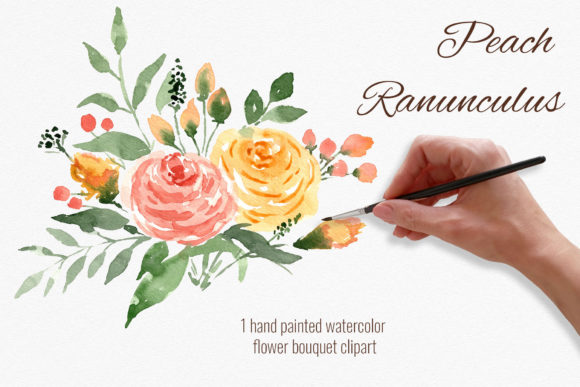
The Timeless Appeal of Peach Ranunculus Bouquets in Digital Watercolor Design
In the expansive world of digital design and creative expression, few elements bridge the gap between traditional artistry and modern utility as seamlessly as botanical illustration. Among the myriad of floral motifs available to designers, stationers, and hobbyists, the peach flowers bouquet—specifically featuring the lush, layered petals of the ranunculus—holds a distinguished place. This specific aesthetic is not merely a decorative choice; it represents a convergence of horticultural beauty, color psychology, and high-resolution technical standards that define contemporary digital assets.
Understanding the significance of a peach ranunculus watercolor clipart requires looking beyond the image itself. It involves appreciating the flower’s symbolism, the technical specifications that make digital art viable for professional use, and the practical applications that allow this single floral arrangement to transform everything from wedding invitations to corporate branding. Whether you are a seasoned graphic designer or a beginner exploring digital scrapbooking, grasping the nuances of this asset will elevate the quality and intentionality of your creative projects.
The Botanical Muse: Why Peach Ranunculus?
To understand why this specific floral arrangement is so sought after in digital marketplaces, one must first understand the subject matter. The ranunculus (Ranunculus asiaticus) is renowned for its intricate, paper-thin petals that spiral inward in a mesmerizing geometric pattern. Unlike the open face of a daisy or the singular cup of a tulip, the ranunculus offers visual depth and texture that translates exceptionally well into the fluid medium of watercolor painting.
The choice of "peach" as the dominant hue is equally deliberate. In color theory and floral symbolism, peach occupies a unique space. It is softer than orange, warmer than pink, and more vibrant than beige. This versatility makes peach ranunculus bouquets inherently adaptable. They convey warmth, sincerity, and gratitude without the aggressive passion of red roses or the melancholy sometimes associated with white lilies. In the context of digital design, peach acts as a sophisticated neutral that pairs effortlessly with gold foil textures, sage greens, charcoal typography, and cream backgrounds.
Symbolism and Emotional Resonance
When selecting clipart for a project, the emotional weight of the imagery matters. The ranunculus traditionally symbolizes charm and attractiveness. When rendered in peach tones, this meaning expands to include gratitude, appreciation, and gentle affection. This makes the peach flowers bouquet an ideal motif for:
- Wedding Stationery: Representing the sweet beginning of a partnership.
- Thank You Cards: Offering a visual expression of sincere appreciation.
- Baby Showers and Announcements: Evoking softness, new beginnings, and gender-neutral warmth.
- Wellness and Self-Care Branding: Suggesting organic beauty and gentle nurturing.
Technical Excellence: Understanding Digital Asset Specifications
A beautiful painting is only as useful as its digital file allows. For creators, the technical parameters of a watercolor clipart are just as important as its artistic merit. When acquiring a peach ranunculus arrangement, specific standards ensure the asset remains versatile across various media.
The Importance of Resolution and Dimensions
High-quality digital florals should typically be delivered at approximately 3000 x 3000 pixels. This dimension is significant because it provides ample canvas space for large-format printing while maintaining manageable file sizes for digital use. At 300 DPI (Dots Per Inch), a 3000-pixel image can be printed crisply at 10x10 inches. This resolution is the industry standard for professional printing, ensuring that the delicate edges of the watercolor wash and the fine details of the ranunculus petals do not appear pixelated or blurry when transferred to physical paper.
Transparency and Format Versatility
The requirement for a PNG format with a transparent background cannot be overstated. Unlike JPEGs, which force a solid white or colored rectangle behind the artwork, a transparent PNG allows the peach flowers bouquet to float seamlessly over any background color, texture, or photograph. This isolation is what transforms a static painting into a flexible design element. It enables layering in software like Adobe Photoshop, Canva, Procreate, or Microsoft Word, allowing users to tuck the flowers behind text, wrap them around logos, or combine multiple arrangements to create custom borders.
Navigating Color Accuracy in Digital and Print Media
One of the most common misunderstandings in digital art acquisition involves color consistency. Users frequently encounter discrepancies between the preview image, their monitor display, and the final printed product. Understanding why this happens is essential for managing expectations and achieving professional results.
Monitor Calibration and RGB Variance
Digital screens emit light using the RGB (Red, Green, Blue) color model. Every monitor is manufactured differently and calibrated uniquely. A peach tone that appears warm and rosy on a high-end design monitor may look washed out or overly orange on a standard laptop screen. This variance is inherent to digital viewing. When working with watercolor clipart, it is helpful to view the asset on multiple devices to get a sense of its "true" average color before committing it to a critical design.
The Shift from Screen to Paper
Printing introduces another variable: the CMYK (Cyan, Magenta, Yellow, Key/Black) color space. Printers use ink absorption rather than light emission to create color. Watercolors, by nature, rely on translucency and luminosity that ink on paper struggles to replicate perfectly. Consequently, colors may alter slightly when printing. Peach tones, which often contain subtle yellow and magenta undertones, can sometimes shift toward brown or pink depending on the paper stock and printer profile used.
Practical Tip: Always perform a test print on the exact paper you intend to use for the final project. If the peach ranunculus appears too dull, adjusting the saturation or brightness in your design software before printing can compensate for the natural absorption of ink.
Practical Applications in Modern Creativity
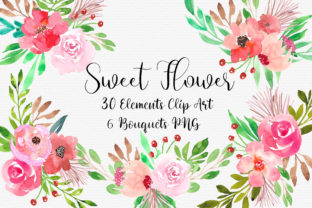
The peach flowers bouquet clipart is more than a standalone image; it is a foundational building block for diverse creative endeavors. Its relevance spans personal hobbies, small business operations, and educational resources.
Stationery and Event Design
For DIY brides and event planners, high-resolution watercolor florals democratize luxury design. A single 300 DPI peach ranunculus arrangement can be scaled down for place cards or scaled up for welcome signs. Because the background is transparent, the same file can be used across an entire suite of materials, ensuring visual cohesion without the need to hire a custom illustrator for every individual piece.
Digital Marketing and Social Media
In the realm of social media content creation, organic elements soften the often sterile look of digital graphics. Influencers and brands use peach floral clipart to frame quotes, highlight sale announcements, or add seasonal flair to Instagram stories. The softness of the watercolor style signals authenticity and approachability, traits that are highly valued in current digital marketing trends.
Educational and Homeschooling Resources
Educators and curriculum designers utilize botanical illustrations to teach biology, art history, and color theory. A detailed peach ranunculus image serves as an excellent reference for studying petal structure, radial symmetry, and warm color palettes. Furthermore, these images are frequently used in creating engaging worksheets, flashcards, and classroom decor that stimulate visual learning without overwhelming young students with harsh primary colors.
Best Practices for Utilizing Floral Clipart
To maximize the value of your watercolor flower arrangement, consider the following guidelines for integration and care:
- Preserve the Original File: Always keep a master copy of the 3000 x 3000 PNG. Work on duplicates or embedded versions within your design software to prevent accidental degradation of the source asset.
- Mind the Edges: Watercolor clipart often has soft, fading edges. When placing the peach bouquet against dark backgrounds, ensure these translucent edges blend naturally rather than appearing as a harsh cutout. Using blending modes like "Multiply" or "Screen" in advanced editors can help integrate the art seamlessly.
- Scale with Intention: While the image supports large printing, scaling it up beyond its native resolution will result in quality loss. Conversely, scaling it down significantly for web use should be done via export settings rather than simply shrinking the layer, to maintain sharpness at smaller sizes.
- Respect Licensing: Even though the asset is digital, it is intellectual property. Understand whether your purchase allows for personal use only, or if it permits commercial application in products for resale. Ethical usage supports the artists who create these intricate botanical works.
Conclusion
The peach ranunculus watercolor bouquet is a testament to how traditional beauty adapts to technological demands. It offers a perfect synthesis of emotional warmth and technical precision, serving as a reliable tool for creators across disciplines. By understanding the botanical significance, respecting the technical specifications of 300 DPI PNGs, and acknowledging the realities of color reproduction, users can harness the full potential of this floral arrangement. Whether adorning a wedding invitation, enhancing a digital brand, or enriching an educational resource, the peach flowers bouquet remains a timeless asset in the modern creative toolkit.