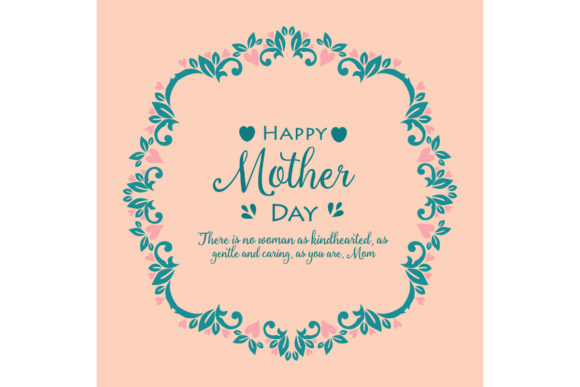
Unique Happy Mother Day Card Design 18: Mastering Elegant Floral Templates
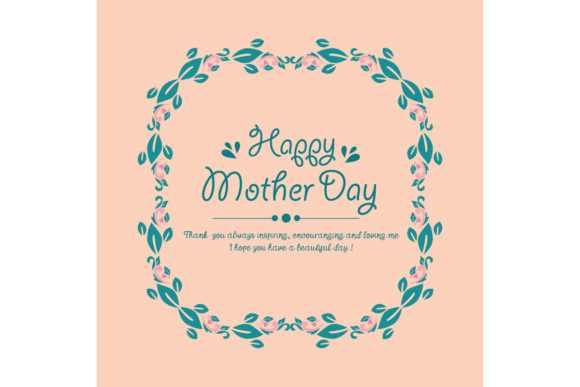
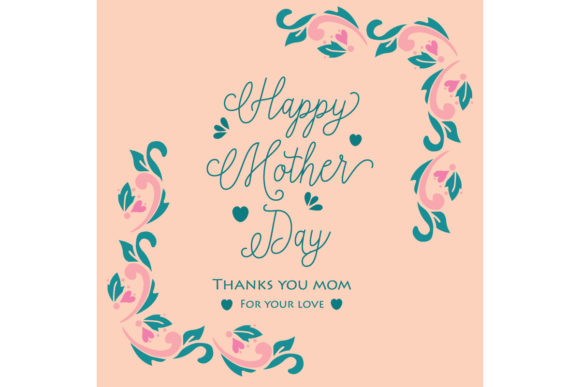
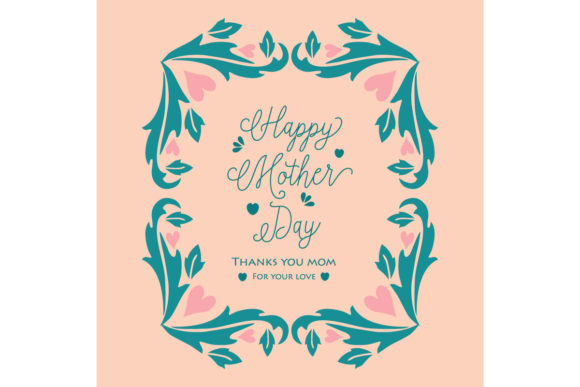
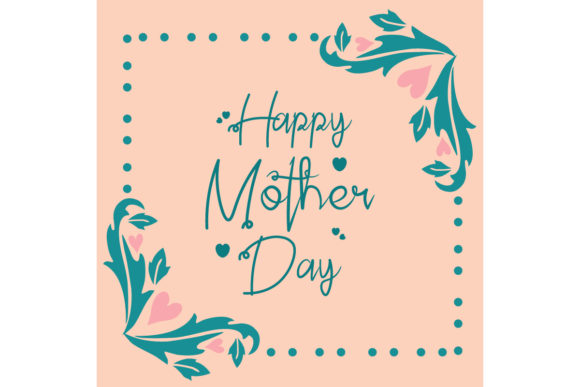
When searching for the perfect way to express gratitude, Unique Happy Mother Day Card Design 18 stands out as a sophisticated option for creators and individuals alike. This specific template features a seamless leaf and floral frame that embodies an elegant style, making it ideal for both personal greetings and professional marketing campaigns. The vector illustration format ensures that the artwork remains crisp at any size, from a small social media post to a large-format print. However, owning a high-quality asset is only the first step. Many users inadvertently diminish the impact of this design through technical oversights or stylistic mismatches. Understanding how to properly leverage this unique style ensures your final product honors the occasion with the refinement it deserves.
Understanding the Vector Advantage and Common File Missteps
The primary strength of Unique Happy Mother Day Card Design 18 lies in its vector construction. Unlike raster images composed of pixels, vectors use mathematical paths to define shapes. This allows for infinite scalability without loss of quality. A frequent mistake occurs when users download the package but immediately convert the file to a low-resolution JPEG or PNG before editing. This negates the core benefit of the vector format and results in pixelated edges on the delicate floral details.
To avoid this, always keep your master file in AI, EPS, or SVG format until the final export stage. If you are sending this card to a professional printer, they will likely require the vector source file to ensure the seamless leaf frame prints sharply. For digital use, export at 2x or 3x the intended display size to accommodate high-density retina screens. Another overlooked detail involves color profiles. Vectors often default to RGB for screen use, but printing requires CMYK. Failing to convert the color space before printing can cause the elegant greens and soft florals to appear muddy or neon on paper. Always verify your document color mode matches your output destination before finalizing your design.
Navigating Typography Within Seamless Frames
The seamless leaf and floral frame in this template creates a natural border, but it also imposes spatial constraints. A common error is selecting fonts that fight against the organic curves of the illustration rather than complementing them. Heavy, blocky sans-serif typefaces can look jarring inside a delicate botanical border, creating a visual disconnect that feels unprofessional. Conversely, overly ornate scripts can become illegible when placed directly over detailed vector foliage.
Instead, aim for typographic harmony. Pair a refined serif font for the main "Happy Mother’s Day" heading with a clean, lightweight sans-serif for the body message. This combination respects the elegant style of the template while maintaining readability. Pay close attention to the negative space within the frame. The center of Unique Happy Mother Day Card Design 18 is intentionally open, but users often stretch text boxes to fill every available inch. This creates a claustrophobic layout. Leave generous margins between your text and the inner edge of the floral frame. White space is an active design element that enhances elegance; crowding the text reduces the perceived value of the card.
Color Customization Without Losing Cohesion
While the default palette of this greeting card template is beautiful, many creators feel compelled to change colors to match a brand or personal preference. The risk here is breaking the color harmony established by the original artist. Arbitrarily changing the leaf color to a bright lime green or the flowers to a saturated purple can make the seamless frame look disjointed. Vectors allow for easy recoloring, but this power requires restraint.
If you must adjust the palette, use the original colors as a base. Shift hues slightly rather than replacing them entirely. Use global swatches or color groups within your vector software to update all instances of a specific shade simultaneously. This maintains the subtle gradients and shading that give the floral frame its depth. Test your new color scheme on both screen and paper proofs, as colors interact differently with the intricate line work of vector illustrations. A cohesive palette reinforces the premium feel of the design, while clashing colors suggest a lack of attention to detail.
Technical Pitfalls in Editing and Exporting
Even experienced designers can stumble when working with complex vector illustrations. One specific issue with seamless frames is accidental path disruption. When adding custom elements or text, it is easy to accidentally select and move anchor points of the background frame. This breaks the seamless illusion and creates visible gaps or misalignments. Always lock the background layer containing the floral frame before beginning your customization. This simple preventative measure saves hours of frustrating repair work.
Another technical consideration involves transparency and blending modes. Some vector templates use opacity masks or blend modes to create soft edges on the leaves. These effects do not always translate correctly across different software versions or file formats. Before purchasing or downloading Unique Happy Mother Day Card Design 18, check the compatibility notes. If you plan to edit in Affinity Designer or CorelDRAW rather than Adobe Illustrator, verify that the vector effects are supported. Flattening these effects prematurely can result in harsh edges that ruin the elegant aesthetic. When in doubt, test the file with your specific workflow before committing to a full project.
Evaluating Quality Before Purchase or Use
Not all vector templates are created equal, and assuming quality based on a thumbnail preview is a risky strategy. Before integrating this design into your workflow, inspect the actual file structure. Open the vector file and zoom in to 400% or higher. Check for stray anchor points, overlapping paths, or unclosed shapes. These artifacts may be invisible at normal zoom levels but can cause printing errors or editing headaches later. Verify that the layers are logically organized and named. A well-structured file indicates a professional creator who understands user needs.
Also, review the licensing terms carefully. Unique Happy Mother Day Card Design 18 may have different restrictions for personal versus commercial use. Entrepreneurs and marketers often overlook clauses regarding print-on-demand products or digital resale. Using a template outside its licensed scope can lead to legal issues and platform takedowns. Clarify your intended use case before downloading. If you plan to sell physical cards featuring this design, ensure the license explicitly permits commercial reproduction. Taking these verification steps upfront protects your business and ensures a smooth creative process.
Maximizing Versatility Across Platforms
This elegant greeting card template serves multiple purposes beyond traditional print. However, adapting a vertical card design for horizontal social media banners or square Instagram posts requires thoughtful cropping. Simply cutting off the top and bottom of the floral frame destroys the composition. Instead, consider extending the background color or creating a complementary pattern from extracted leaf elements to fill the new dimensions. This preserves the integrity of the central motif while adapting to modern digital formats.
For email marketers, remember that many email clients do not support advanced CSS or embedded SVGs. Export your customized Unique Happy Mother Day Card Design 18 as an optimized web-safe image for newsletters. Keep file sizes under 200KB to ensure fast loading times, but maintain enough resolution for clarity. Alt text should describe the visual sentiment for accessibility. By treating each platform’s requirements as distinct design challenges rather than afterthoughts, you extend the utility of this single vector asset while maintaining a consistent, high-quality brand presence across all touchpoints.