Line Drawing Ivy Plant Illustrations for Elegant Design Projects
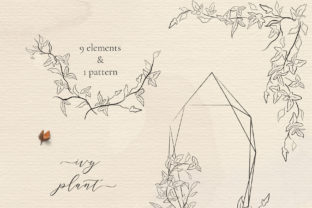
When you are deep in the creative process for a wedding suite or a botanical branding package, finding imagery that feels both organic and structured can be a challenge. Line drawing ivy plant illustrations offer a specific aesthetic solution to this common design hurdle. Unlike heavy, shaded botanical art that can dominate a layout, these delicate line drawings provide texture and framing without competing with typography. This collection specifically focuses on an elegant set of nine elements and one seamless pattern, designed to bridge the gap between vintage heirloom aesthetics and modern minimalist sensibilities.
The true value of these assets lies in their versatility across different mediums. Because they are fully editable vector files (EPS and SVG) alongside high-resolution PNGs, they adapt to the needs of graphic designers, DIY brides, textile artists, and stationery printers alike. Whether you are designing a save-the-date card or packaging for an organic skincare line, the clean lines of ivy convey growth, fidelity, and natural beauty without visual clutter.
Elevating Wedding Stationery and Event Branding
The most immediate application for these line drawing ivy plant illustrations is within the wedding industry. Ivy has long symbolized eternal love and fidelity, making it a thematic staple for matrimonial events. However, traditional ivy clipart often looks dated or overly complex. This set’s simple, clean design allows for sophisticated layering.
Consider the practical layout of a wedding invitation suite. You have two distinct wreaths and two floral frames included in this set. A designer might use a larger wreath as the primary border for the main invitation, utilizing the negative space in the center for the couple's names and details in a serif font. The matching floral frame can then be scaled down for the RSVP card or the details insert, creating visual cohesion across multiple pieces of paper. The two decorative corners are particularly useful for menu cards or place settings where a full border would obscure text or feel too heavy.
For those creating physical invitation suit boxes or heirloom albums, the seamless pattern becomes invaluable. Printing this pattern on tissue paper, belly bands, or the interior lining of a presentation box adds a tactile layer of luxury. Because the pattern is vector-based, it can be resized infinitely without pixelation, ensuring crisp edges whether printed on a small envelope liner or a large format backdrop for photo booths.
Customization for Color Palettes and Themes
One of the significant advantages of having fully editable Adobe Illustrator files is the ability to match specific color stories. While the default line drawings may be black or dark green, changing the stroke color takes seconds. For a autumnal wedding, you might shift the ivy to a muted terracotta or dusty gold. For a spring event, a soft sage or slate blue might be more appropriate. This level of customization ensures the illustrations do not look like generic stock art but rather bespoke elements tailored to the client’s vision.
Commercial Branding and Packaging Applications
Beyond weddings, these illustrations serve functional roles in commercial product design. Brands focusing on sustainability, herbal wellness, artisanal foods, or eco-friendly textiles often seek botanical motifs that signal "natural" without looking messy. The heraldry element included in this set is particularly relevant here. It provides a crest-like structure that can house a logo or brand monogram, instantly lending an air of established heritage to a new business.
In packaging design, legibility is paramount. Heavy illustrations can reduce contrast and make product information hard to read. These line drawings solve that problem by acting as subtle watermarks or borders. Imagine a paper bag for a boutique bakery; a single sprig of ivy placed at the bottom corner adds elegance without distracting from the window showing the pastry inside. Similarly, for textile designers, the seamless pattern can be applied to cotton totes, scarves, or home linens. The simplicity of the line work translates beautifully to embroidery digitizing or screen printing, where complex gradients are impossible or cost-prohibitive.
Digital Assets and Web Design
For web designers and social media managers, the transparent background PNG files (300 DPI) offer drag-and-drop convenience. These are ideal for overlaying onto solid color backgrounds in Instagram stories, Pinterest pins, or website headers. The two sprigs function excellently as dividers between blog post sections or as subtle accents next to navigation menus. Because they are transparent, they integrate seamlessly into any digital layout without requiring masking or editing software, saving time for marketers who need quick, polished visuals.
Understanding File Formats and Technical Considerations
Before incorporating these line drawing ivy plant illustrations into your workflow, it is helpful to understand which file format suits your current project. The collection provides three distinct formats, each serving a different purpose:
- PNG Files: Best for non-designers using tools like Canva, Microsoft Word, or Cricut Design Space. These are raster images with transparent backgrounds. They are perfect for digital use or standard printing but cannot be resized significantly larger than their original dimensions without losing quality.
- SVG Files: The standard for cutting machines (Cricut/Silhouette) and web graphics. These are scalable vectors that maintain crisp edges at any size. They are also excellent for embroidery machines that accept vector inputs.
- EPS Files: The professional standard for Adobe Illustrator users. These allow for complete manipulation of anchor points, stroke width, and color. If you need to separate individual leaves, adjust the curvature of a vine, or combine elements in new ways, EPS is the required format.
A common consideration when working with line art is stroke weight. When scaling these illustrations up for large format printing (like a banner), the lines may appear disproportionately thin. Conversely, when scaling down for a business card, they may become too thick and lose detail. Because these are editable vectors, you can adjust the stroke weight globally to maintain visual balance regardless of the final print size. This technical flexibility is what separates professional-grade assets from basic clipart.
Practical Tips for Composition and Balance
Using botanical line art effectively requires an understanding of negative space. Ivy is inherently trailing and asymmetrical, which makes it excellent for guiding the viewer's eye. When designing a certificate or diploma, try placing the decorative corners in opposing diagonal corners rather than all four; this creates dynamic movement rather than a static box. For logo design, the heraldry element can be simplified by removing internal details if the logo will be used at very small sizes, such as on social media avatars or pen engravings.
It is also worth noting the importance of paper choice when printing these illustrations. Line drawings rely entirely on contrast. On bright white paper, black lines pop with modern clarity. On cream or kraft paper, the same lines evoke warmth and nostalgia. If you plan to use colored paper, consider adjusting the line color to white or a metallic ink for a reverse effect. The seamless pattern works exceptionally well with blind embossing or foil stamping, adding texture that can be felt as well as seen.
Limitations and Best Practices
While versatile, line drawing ivy plant illustrations are not a catch-all solution. They lack the depth and realism of watercolor or oil painting styles, so they may not be suitable for projects requiring lush, vibrant botanical accuracy. They are stylistic interpretations meant for elegance and structure. Additionally, because the design is minimal, any imperfections in alignment or spacing become more visible. Taking the time to align elements precisely using grid tools in your design software will ensure the final result looks intentional and professional.
Ultimately, this collection serves as a foundational toolkit for creators who value flexibility. By providing both individual elements and cohesive sets, along with a seamless pattern, it removes the friction of sourcing matching assets from different creators. Whether you are crafting a personal heirloom album or developing a commercial product line, the ability to edit, resize, and recolor these ivy illustrations ensures they remain relevant across diverse creative endeavors.