Digital Washi Tape Pretty Wild Flowers: Evaluation and Usage Guide
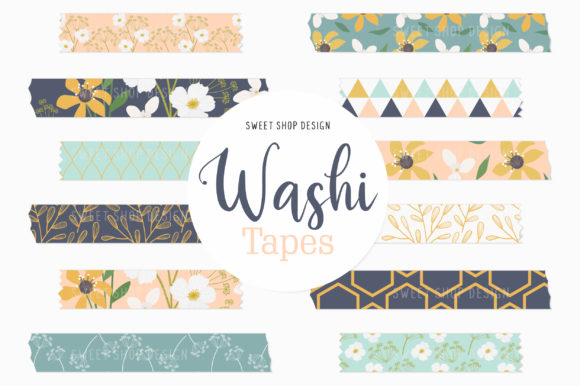
The Digital Washi Tape Pretty Wild Flowers collection represents a specific niche within the digital stationery market, combining botanical aesthetics with geometric structure. Designed primarily for users of tablet-based planning applications, this asset pack provides high-resolution graphical elements intended to mimic the appearance of physical decorative tape. When evaluating this product for integration into a digital planning or scrapbooking workflow, it is necessary to understand its technical specifications, aesthetic applications, and practical limitations compared to both physical alternatives and other digital assets.
Defining the Asset: Technical Specifications and Format
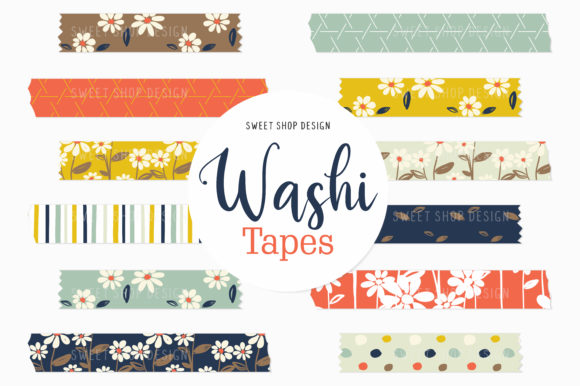
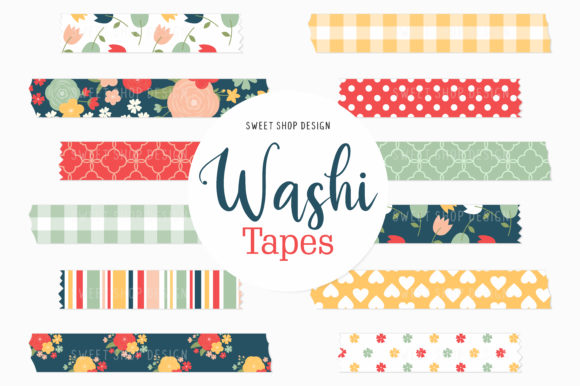
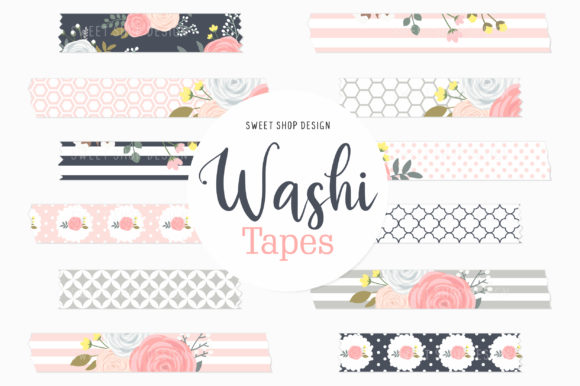
At its core, the Digital Washi Tape Pretty Wild Flowers pack is a set of 12 individual clipart files delivered in PNG format. The resolution is set at 300 DPI (dots per inch), which is the industry standard for print-quality graphics. This specification is significant for digital planners because it ensures that edges remain crisp and colors remain vibrant even when zoomed in on high-density Retina displays found on modern iPads and Android tablets. Unlike lower-resolution web graphics, 300 DPI assets prevent pixelation during resizing operations within apps like Goodnotes or Notability.
A critical distinction for this specific product is the absence of watermarks and drop shadows on the final downloaded sheets. Many digital sticker packs include pre-rendered shadows to simulate depth; however, this pack provides flat, clean images. This design choice offers greater flexibility, allowing users to apply their own shadow effects within their planning app or to layer the tape seamlessly over photos and text without artificial borders interfering with the composition. The delivery method is strictly digital; no physical items are shipped, meaning immediate access is contingent upon successful file transfer and unzipping procedures.
Aesthetic Evaluation: Floral Geometric Fusion
The visual identity of this pack lies in the intersection of organic floral motifs and structured geometric patterns. For users researching digital embellishments, understanding this stylistic balance is essential for determining fit. Purely organic floral tapes can sometimes appear too soft or traditional for modern planner layouts, while purely geometric tapes may lack warmth. The Pretty Wild Flowers series attempts to bridge this gap by organizing wildflower illustrations within defined, repetitive boundaries typical of washi tape designs.
This hybrid aesthetic makes the collection particularly suitable for users who maintain a "cottagecore" or botanical theme but require the organizational utility of linear dividers. The geometric aspect provides the visual straight lines necessary for sectioning calendar views, creating headers, or separating journal entries, while the floral elements maintain thematic consistency. Evaluators should compare this style against their existing digital sticker libraries to ensure it complements rather than clashes with current color palettes and font choices.
Workflow Integration and Compatibility
Compatibility extends beyond simple file format support. While marketed heavily toward Goodnotes users, the PNG format ensures universal compatibility across the digital planning ecosystem, including Notability, Zinnia, CollaNote, and various Android planning applications. The workflow for utilizing these assets involves three distinct phases: extraction, storage, and implementation.
- Extraction: Users must unzip the source file on a computer or directly on an iPad using native file management tools. This step is mandatory as planning apps cannot read compressed ZIP archives directly.
- Storage: The PNG images must be saved to the device’s Photos Camera Roll or a dedicated image folder. This centralizes access, making the stickers available via the photo insertion tool in any application.
- Implementation: Within the planner, users insert the image and utilize native editing tools to crop, resize, or rotate. Because these are pre-cropped stickers, they do not require background removal, streamlining the decoration process.
For users transitioning from physical planning, this digital workflow eliminates the tactile feedback of tearing tape but introduces the advantage of non-destructive editing. Digital washi tape can be moved, resized, or deleted without damaging the underlying page, a benefit that significantly alters the risk-reward calculation of planner decoration.
Benefits and Practical Advantages
The primary benefit of selecting the Digital Washi Tape Pretty Wild Flowers pack over physical alternatives is economic efficiency and logistical simplicity. A single purchase yields infinite usage without inventory depletion. For heavy users who go through multiple rolls of physical tape monthly, the return on investment for digital assets is substantial. Additionally, the portability factor cannot be overstated; carrying twelve distinct tape designs requires zero physical space, enabling varied creative expression while traveling or commuting.
From a design perspective, the clean, shadow-free nature of these PNGs supports advanced layering techniques. Users can place text directly over the tape, use the tape as a mask for photographs, or blend multiple tape strips to create custom widths. This level of manipulation is impossible with physical media. Furthermore, the 300 DPI resolution ensures that if a user decides to print their digital planner pages for archival purposes, the decorative elements will retain professional fidelity.
Tradeoffs and Considerations
Despite the advantages, prospective buyers must weigh specific tradeoffs. The most immediate is the loss of tactile experience. Digital planning lacks the texture, sound, and resistance of physical washi tape. For individuals whose planning practice is grounded in sensory mindfulness or art therapy, digital substitutes may fail to provide the same psychological satisfaction. The act of decorating becomes a technical interaction rather than a physical one.
Technical friction also presents a consideration. While the workflow is standardized, it requires initial setup time. Managing digital assets demands organizational discipline; without proper folder structures or album categorization in the Photos app, locating specific tape designs can become cumbersome. Additionally, screen calibration varies between devices. Colors viewed on an iPad Pro may differ slightly from those on an Android tablet or when printed, requiring users to manage color expectations across different output mediums.
Licensing is another factor. Users must verify whether the purchase includes personal use only or permits commercial application in blog designs, website layouts, or client projects. Assuming commercial rights without verification can lead to legal complications. Always review the specific license agreement included with the download before incorporating these graphics into revenue-generating work.
Determining Fit: When to Choose Digital vs. Alternatives
The Digital Washi Tape Pretty Wild Flowers pack is a strong fit for specific user profiles. It is ideal for digital-first planners who prioritize customization, portability, and cost-efficiency. It serves well for content creators designing social media graphics or blog headers where consistent floral branding is required without the expense of recurring material costs. Students and professionals using tablets for note-taking will find the geometric-floral balance useful for organizing information hierarchically without overwhelming the page.
Conversely, alternatives may be worth considering in different scenarios. If the primary goal is tactile relaxation or mixed-media art journaling, physical washi tape remains superior. If a user requires vector-based graphics for large-format printing or professional graphic design software like Adobe Illustrator, raster PNGs may be limiting; SVG or EPS formats would be more appropriate. Finally, if a user prefers a minimalist or corporate aesthetic, the "wild flower" motif may be too ornate, suggesting a search for solid-color or abstract digital tapes instead.
Ultimately, the decision to acquire this digital asset pack should be based on an honest assessment of current workflow needs and aesthetic preferences. By understanding the technical capabilities of 300 DPI PNGs and the specific stylistic niche of floral geometric design, users can determine whether this collection enhances their digital planning environment or if alternative solutions better serve their creative objectives.